
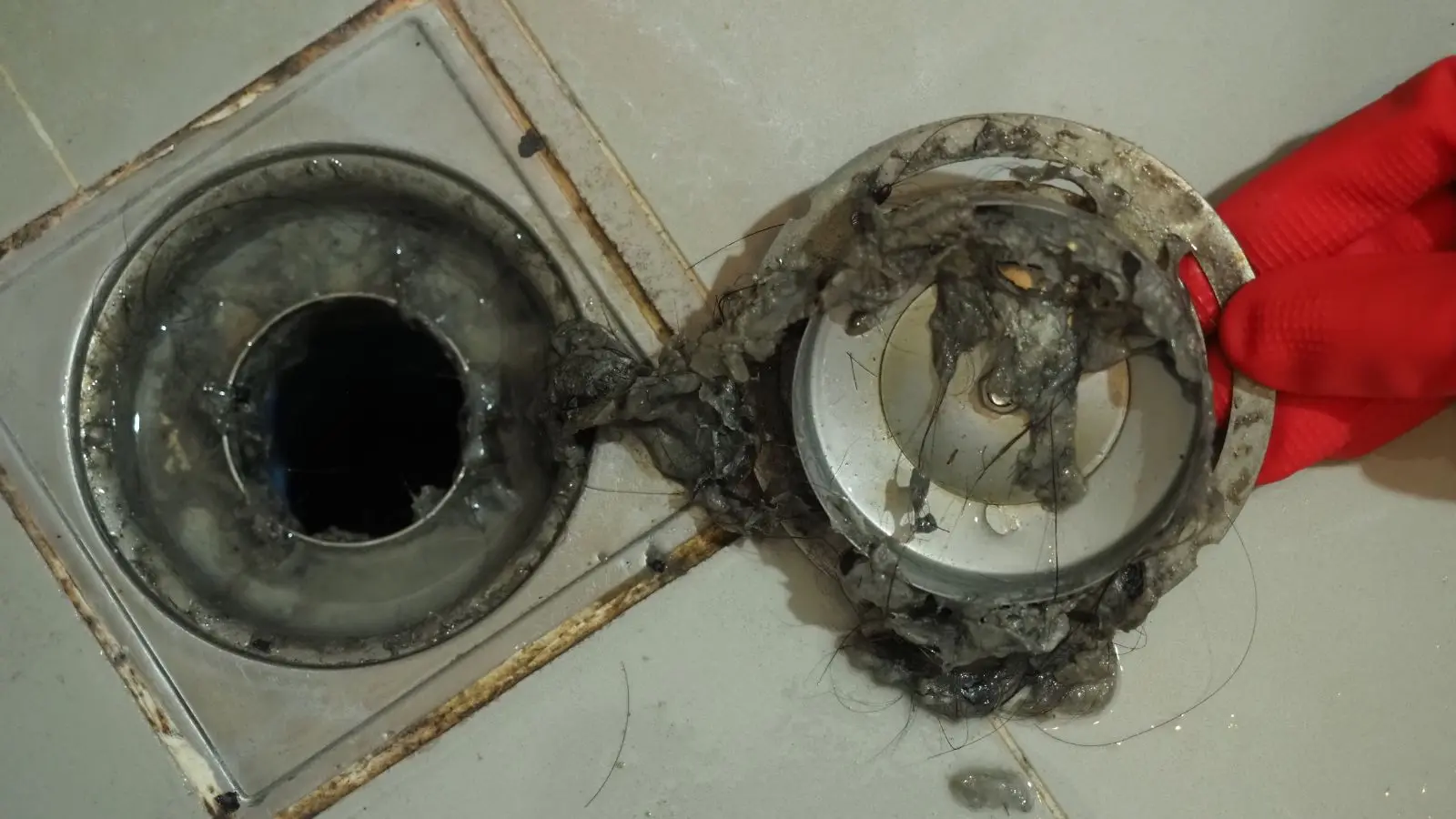
What a sewage backup is and where it starts
A sewage backup happens when wastewater cannot leave the house and comes up through the lowest drain instead. The cause may be a blockage in your own lateral line, a problem in the street main or tree roots in a clay or older line. The result is Category 3 water, the most contaminated class in the ANSI/IICRC S500 reference.
In the valley, the Coachella Valley Water District reports that it runs five wastewater treatment plants and more than 1,100 miles of sewer pipe. In other areas, a city or sanitary district such as Valley Sanitary District in Indio handles collection. Your water bill or city utility page tells you who serves your address, which matters because a main blockage is the utility's job and a lateral blockage is yours.
Many backups have nothing to do with weather. Roots, grease and wipes cause most blockages, and an empty seasonal home can fill with sewage if a drain backs up while nobody is there.
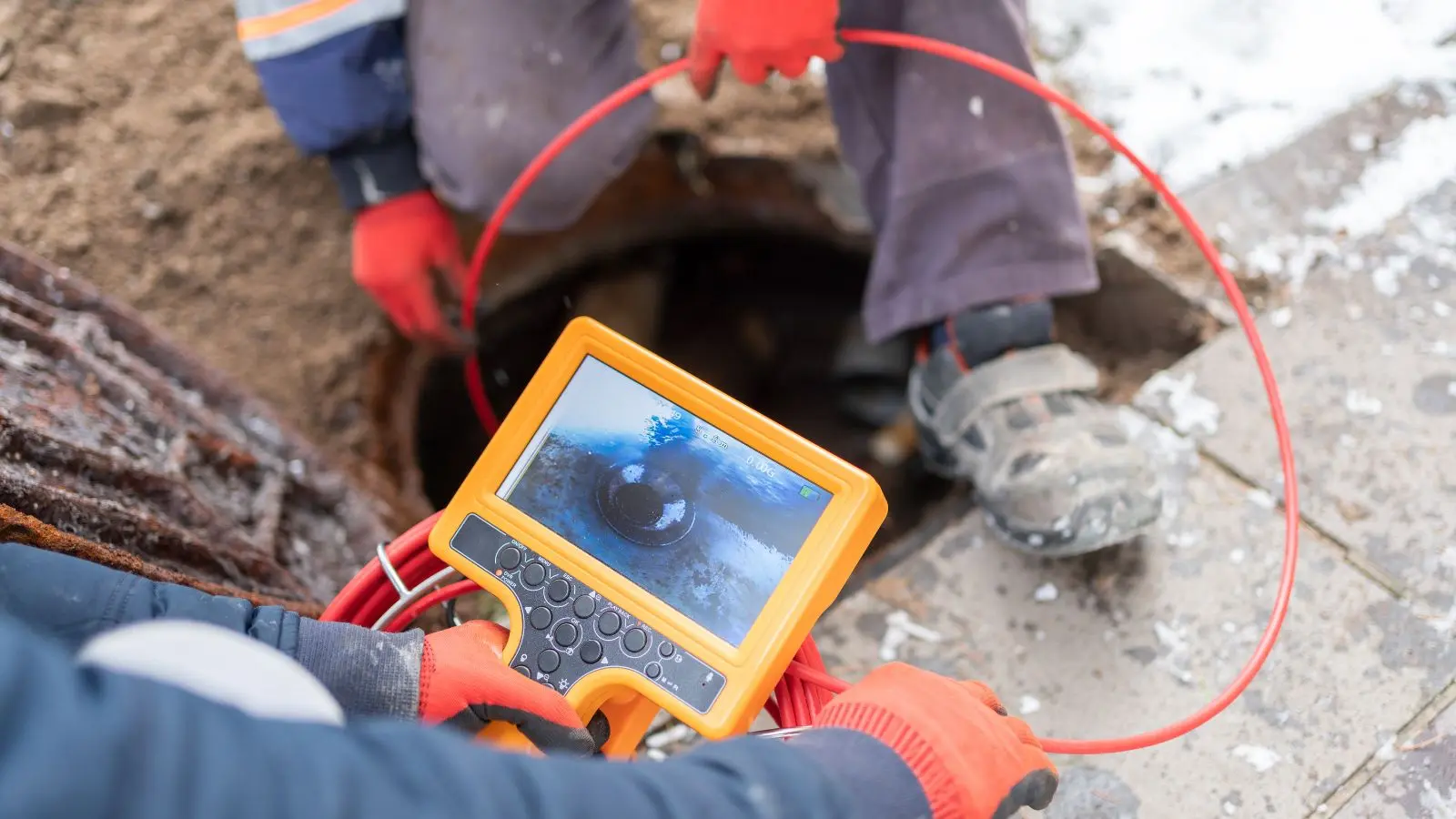
What you see and what it means
A backup usually announces itself at the lowest fixture in the house. Pay attention to where it shows first, because that points to where the blockage is.
| Sign | What it suggests | What to do |
|---|---|---|
| Floor drain or tub backing up | A blockage in the main line | Stop using water and call |
| Toilets gurgle when another fixture drains | Partial blockage in the line | Avoid flushing and call a plumber |
| Foul odor from a floor drain | Standing sewage in the trap or line | Keep the area closed off |
| Wet floor near the shower or toilet | Backup is coming through fixtures | Stay out, keep pets away |
| Multiple fixtures draining slowly | The main line is restricted | Stop water use until a plumber clears it |
Safety steps before you touch anything
Stay out of the contaminated area and keep children and pets away. Sewage water carries bacteria and should not touch skin, so do not wade in it or mop it up yourself. If you must enter, wear boots, gloves and eye protection.
Stop using water in the house. Do not flush toilets, run the dishwasher or washing machine, or take showers, because every drop goes into the same blocked line. If water is near outlets or the panel, do not touch it and call your electric utility or 911 for an electrical risk.
Call a plumber to clear the blockage, and call us for the contamination. We handle the cleanup, not the line. Photograph the area before it is disturbed, and note which drains and fixtures backed up.
- Do not run water or flush
- Keep people and pets out
- No bare skin contact
- Plumber for the blockage, restoration crew for the cleanup
How a sewage cleanup is done
Extraction units remove the contaminated water, followed by removal of porous materials that cannot be cleaned. Carpet, pad, insulation and drywall that were soaked are bagged and removed, because they cannot be disinfected after Category 3 water. Hard surfaces and framing are cleaned and treated with an antimicrobial product.
Crews wear protective gear, and containment barriers can keep contaminated debris and air from spreading to clean rooms. HEPA air scrubbers may run during demolition. Air movers and LGR dehumidifiers then dry the structure, and moisture readings confirm when drying is done.
Our water damage cleanup page covers sanitizing and odor control in more detail.
What changes the cost of a sewage cleanup
The area affected sets the baseline, but contamination changes the work. More porous material means more removal and disposal, and a wet crawl or garage slab needs different handling than carpet. Containment and protective gear add labor.
The plumbing repair is billed apart from the cleanup, and scope and price are settled before work begins.
Insurance and sewage backup
Sewage backup is often treated differently from ordinary water damage. Some homeowners policies exclude it unless they carry a water backup endorsement, and flood is excluded under the California Department of Insurance guidance. The cause of the backup, whether a blocked line or a storm, affects how it is classed.
Check your policy or ask your insurer about water backup coverage. If sewage is in the house now, call (760) 769-1159 after you have kept everyone out.
Mistakes to avoid and prevention
The worst mistake is trying to clean sewage with a household vacuum or mop. A second is keeping a soaked carpet because it looks salvageable. A third is running water while waiting for the plumber.
Keep wipes, grease and hygiene products out of drains, and have an older lateral line camera-inspected before it fails. If you will be away from a seasonal home for months, ask a neighbor to check it. Rebuilding drywall or plumbing after the cleanup may need a permit, and the City of La Quinta Building Division can say whether it does.
Where we work
We take sewage cleanup calls in La Quinta and in nearby Indio and Rancho Mirage. For rising floodwater rather than a line backup, see flood damage restoration. When you are clear of the contamination, call (760) 769-1159.
Questions we hear from La Quinta homeowners
Is emergency sewage backup cleanup available in La Quinta?
Yes. Once everyone is clear of the area, call and say which drain is backing up and how far the water has spread. A crew with protective gear follows with same-day response when available, at any hour.
Do I call a plumber or a restoration company first?
If sewage is actively backing up, call a plumber to clear the line. Call us for the contaminated water, which a plumber does not remove. The two jobs can run in parallel.
Can contaminated carpet be saved?
Carpet and pad that sat in Category 3 water are generally removed, since they cannot be reliably disinfected. Hard surfaces and structure can usually be cleaned.
Is the smell a health risk?
Odors from sewage can be a sign of contamination, and health questions belong with a physician. We treat the cause and the affected materials so the smell does not linger.
Who is responsible for the blocked line?
It depends on where the blockage is. Your water bill or city utility page tells you which agency serves your address, and a plumber can say whether it is on your lateral or the main.
Water still spreading? The line is open 24/7.
Call (760) 769-1159