
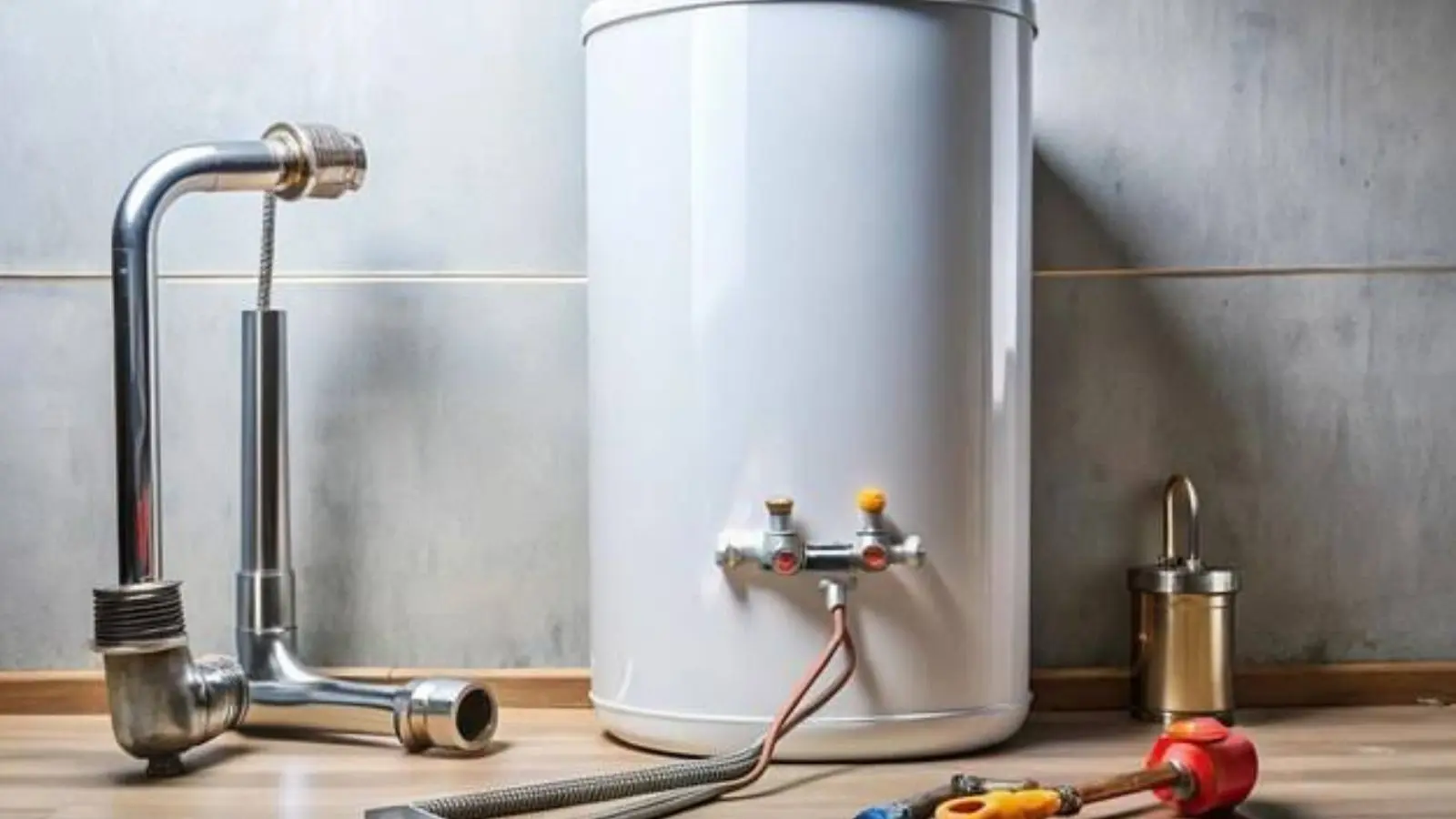
Why water heaters fail in La Quinta homes
A water heater leak is one of the most common indoor water losses, because the tank holds a lot of water under constant pressure. The U.S. Department of Energy says storage tank water heaters are generally designed to last about 10 to 15 years. When a tank reaches that age, the steel lining can corrode through and the leak starts at the bottom seam.
Many La Quinta houses were built in the 1990s and 2000s, based on Census Bureau counts of the city's growth after its 1982 incorporation. A home from that period may be on its second or third heater, and an original one is past its expected life. That is the age to watch, not the day it is installed.
Location makes it worse. Heaters often sit in garages, closets or utility rooms with a slab floor, so water spreads across the slab to the nearest door or into adjoining rooms. Heat in a garage can also raise pressure and stress the relief valve and connections during summer.
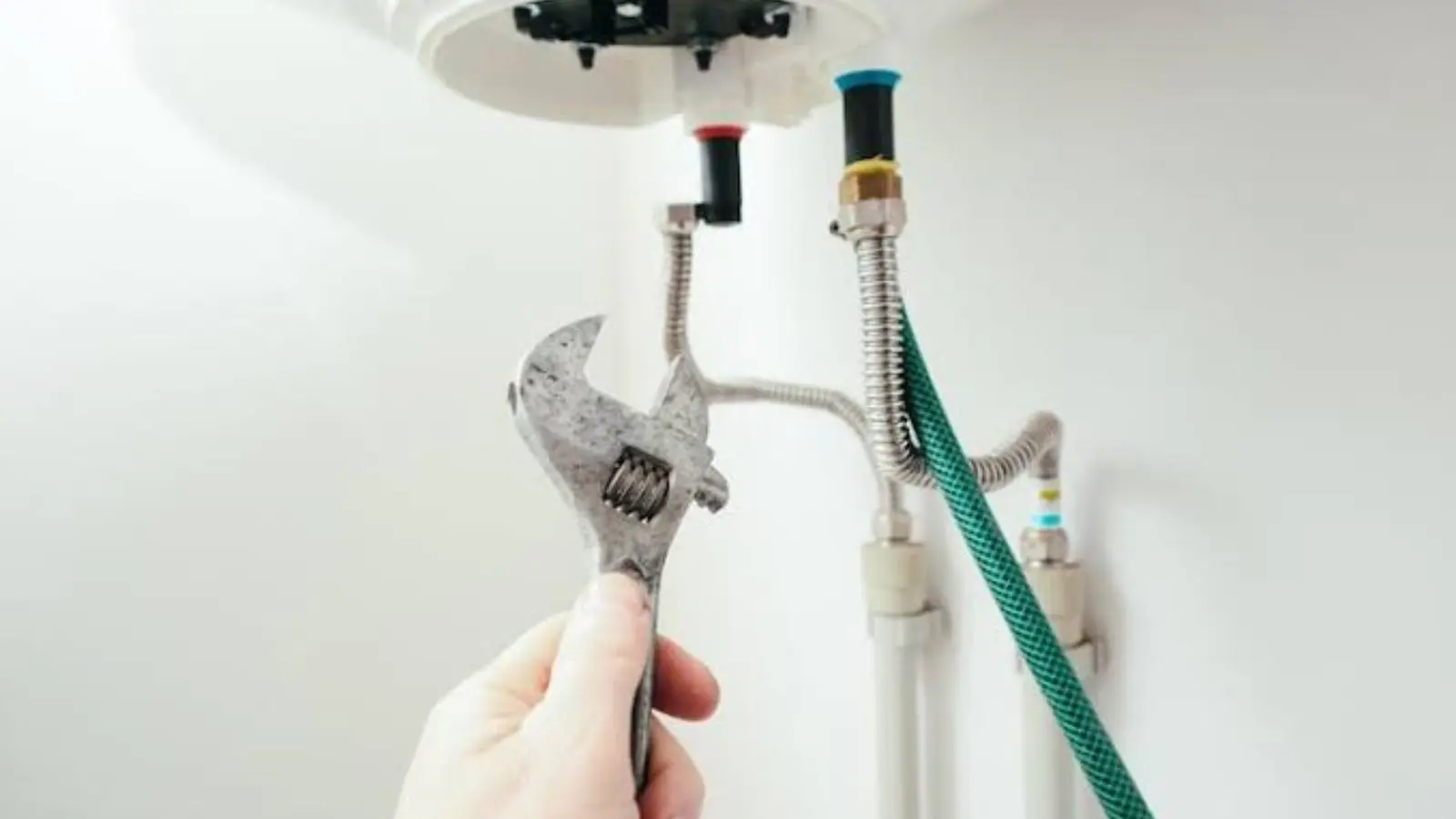
What you see and what it means
Small leaks start as moisture and stains long before a tank lets go. Reading the early signs can turn an emergency into a repair.
| Sign | What it usually means | What to do |
|---|---|---|
| Puddle around the base | Tank seam or a bottom fitting is leaking | Shut the cold supply and power |
| Rust trail down the side | A fitting or the tank wall has been weeping for a while | Have it inspected before it fails |
| Dripping from the relief valve pipe | Pressure or temperature relief is working, or the valve is failing | Call a plumber, do not cap the pipe |
| Rumbling or popping from the tank | Sediment built up inside | Schedule a plumber |
| Wet drywall behind a closet heater | The leak has been hidden by the wall | Shut it down and open the wall to check |
Safety steps when the tank is leaking
Turn off the power or gas to the heater first. For an electric unit, switch off its breaker if the panel is dry and reachable. For a gas unit, turn the control to pilot or off. If you smell gas, leave the house and call your gas utility or 911 before anything else.
Next, close the cold water supply valve on the pipe feeding the tank, which is usually a lever or wheel at the top. This stops new water entering and slows the leak. If the valve will not turn, close the main water valve for the house.
Do not walk through the water if outlets or a panel are in the room. Lift boxes and stored items off the slab, and keep children and pets away. Take photos of the heater, its label and the water, because the age and model help with a claim.
- Power or gas off at the heater
- Close the cold supply valve, or the main if it will not close
- Stay out of water near outlets or a panel
- Photograph the tank label and the damage
How the crew handles a heater leak
Extraction units pull the water off the slab and out of carpet or pad in adjoining rooms. A moisture meter and thermal imaging camera map where it went, including behind baseboards and under cabinets. A garage slab dries in place, while drywall that wicked water up from the floor may need to come out.
Air movers and LGR dehumidifiers then run until the readings are in line with the drying goal. Cardboard, stored fabric and anything porous that sat in the water usually has to be discarded.
ANSI/IICRC S500 is the reference for how water is categorized and dried. A plumber replaces the heater itself. When the area is dry, water damage cleanup handles the remaining debris and surfaces.
What changes the cost of a heater leak
A leak that is caught while the tank is still weeping is small and often confined to a garage slab. A split tank that ran into a living space is larger. The factors are how much water spread, what it reached, how many surfaces are porous and how long the equipment runs.
Scope and price are explained before work starts, and the cleanup is itemized separately from the plumber's replacement.
Insurance and water heater leaks
Policies often cover sudden tank failure, since a split tank is an accidental discharge. They often do not cover a slow leak that went unnoticed for months, or the cost of the heater itself. The age of the unit and its maintenance history can come up in a claim.
Check your policy or ask your insurer, and keep the failed tank until your insurer says it can go. If the water is on your floor now, call (760) 769-1159.
Mistakes to avoid and prevention
Turning the heater back on after a leak without a plumber is the most dangerous mistake. Another is capping the relief valve pipe, which defeats a safety device. A third is ignoring the age of the unit and waiting for it to fail.
A tank in a living space should sit in a drain pan, and an extra shutoff valve makes the next emergency shorter. Seasonal residents who leave a heater running for months in an empty house take on added risk, so turning it down or off while away is worth doing. A replacement that adds gas or electrical work may need a permit, and the city's Building Division is the place to confirm.
Where we work
We serve La Quinta around the clock and also take calls from Indian Wells and Indio. When the area is dry, water damage repair rebuilds what was removed. Tank leaking tonight? The line at (760) 769-1159 stays open.
Questions we hear from La Quinta homeowners
Is emergency water heater leak cleanup available in La Quinta?
Yes. A failed tank does not wait for business hours, and neither does the line. Tell dispatch where the heater sits and whether the supply is closed, and a crew follows with same-day response when available.
Can I keep using the water heater if the leak is small?
A leak from the tank is not a safe condition, and a weeping tank can fail without warning. Turn off power or gas, close the supply and have a plumber look at it before it runs again.
How old is too old for a water heater?
The U.S. Department of Energy says storage tank units are generally designed for about 10 to 15 years. A unit past that range is a risk even if it looks fine.
Will the water from a heater leak cause mold?
Mold needs moisture, so a closet or garage leak should be dried within the first couple of days. If you already see growth, ask about mold remediation.
Does cleanup include replacing the heater?
No. A plumber replaces the heater. We extract the water, dry the area and remove materials that cannot be dried.
Water still spreading? The line is open 24/7.
Call (760) 769-1159