
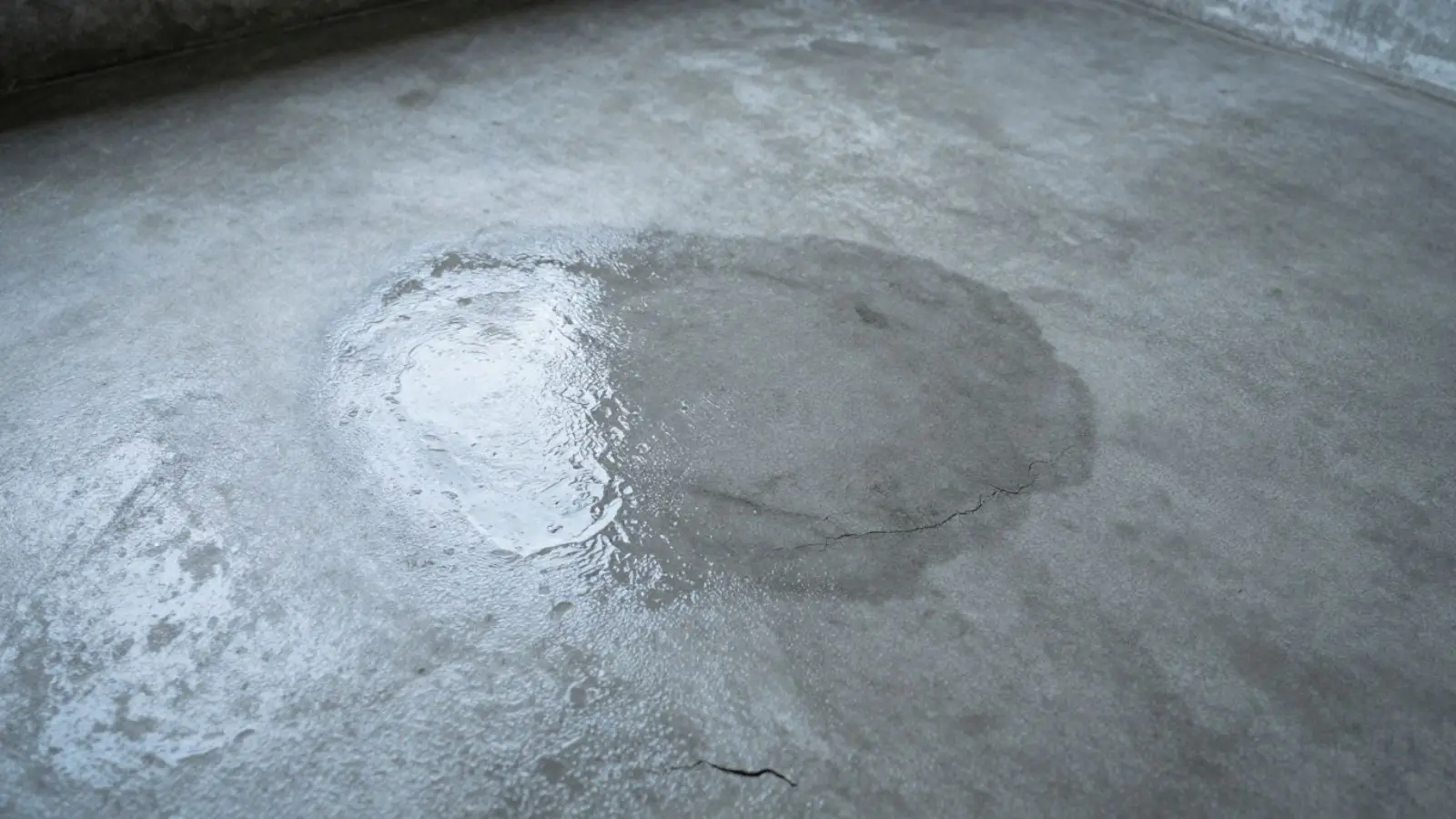
What a slab leak is and why it matters here
A slab leak is a leak in a water line that runs in or under a concrete foundation slab. In a house built on a slab, supply lines can run through or below the concrete, so a pinhole or fitting failure can leak into the ground or push water up through the floor. You may never see the pipe, only the effects on flooring and walls.
Plenty of valley homes sit on concrete slab foundations, and many were built from the 1990s onward, so the water lines under them are now decades old. Copper and other metal lines can corrode from the outside in soil, and a fitting can fail at any age. A slab leak is real here, though it is less frequent than a washer hose or water heater failure.
NOAA climate normals show under 4 inches of rain in a typical year, so a leaking slab is rarely mistaken for a wet season. Dry weather helps because a damp floor with no rain is a clearer sign of a plumbing problem.
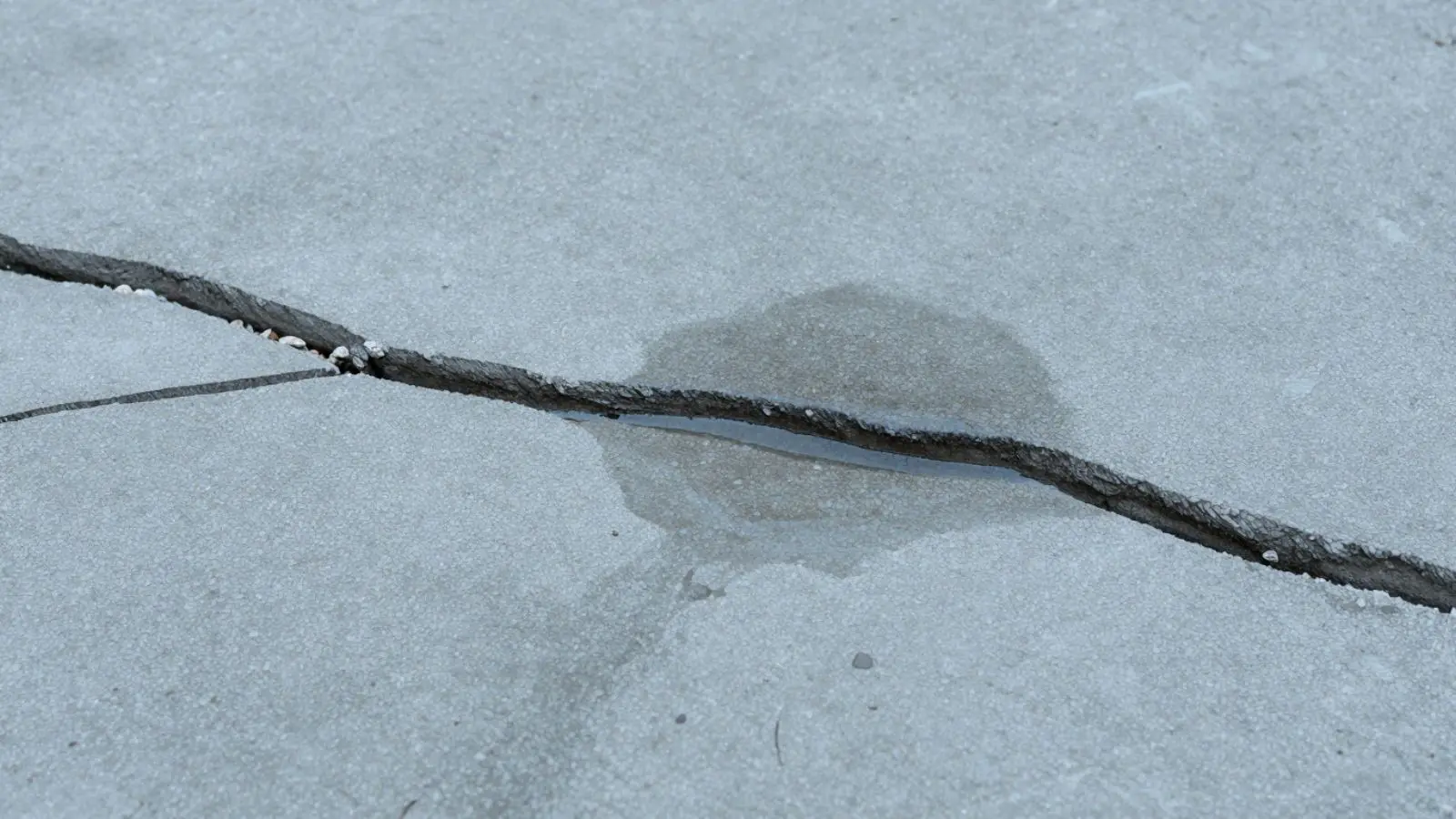
What you see and what it means
Because the pipe is hidden, you diagnose a slab leak by pattern. These are the signs a plumber and a restoration crew look for together.
| Sign | What it suggests | Next step |
|---|---|---|
| Warm spot on the floor | A hot water line leaking under the slab | Shut off the water heater and the main |
| Water bill rises with no change in use | A continuous leak somewhere on the property | Check the meter with fixtures off |
| Sound of running water with everything off | A pressurized line is open | Close the main to test |
| Damp carpet or lifting flooring | Water coming up through the slab | Photograph and keep traffic off it |
| Cracks and moisture at baseboards | Water moving through the slab to walls | Request moisture readings |
Safety steps in the first hour
Close the main water valve. If the sound stops and the meter stops, the leak is on the house side of the line. Switch off the water heater if you suspect a hot line leak, because a heater with no supply can overheat.
Stay off wet floors near outlets and avoid using appliances that stand in water. If a panel or outlet is wet, do not touch it. Call your electric utility or 911 for electrical danger before anything else.
Do not break the slab yourself. Slab repair needs leak detection, and cutting the wrong line makes things worse. Lift rugs and small furniture off the wet area and photograph the floor, the baseboards and the meter reading.
- Close the main water valve
- Switch off the water heater if a hot line is suspected
- Keep clear of wet outlets and the panel
- Photograph the floor and the meter
How the crew dries a slab leak
The plumber locates and repairs the line. Our crew deals with the water that came up. Moisture meters and a thermal imaging camera map the wet carpet, pad, baseboards and the lower part of the drywall.
Carpet pad and engineered flooring that stayed wet are usually removed, and baseboards come off so the wall base can dry. Air movers and LGR dehumidifiers run until meter readings reach the drying goal, and drying mats or low-profile fans can help lift moisture from the slab surface. Concrete holds water, so it dries slowly and needs checking before new flooring goes on.
ANSI/IICRC S500 is the standard reference for drying goals, and whoever you hire should be able to say which goal it is working to. For the equipment side, see structural drying.
What changes the cost of a slab leak cleanup
Leak detection and the plumbing repair are billed by the plumber and are separate from drying. For the restoration side, price follows how many rooms are wet, how thick the flooring is, whether pad or wood has to come out, and how many days the equipment runs.
A slab that has been leaking for months can have mold and damaged flooring, and that changes the scope. We explain scope and price before work starts.
Insurance and slab leaks
Policies often treat a sudden, accidental water escape differently from long-term seepage. A leak under a slab that has gone on for months may be treated as gradual damage, and some policies limit coverage for the cost of reaching the pipe. The details vary a great deal.
Check your policy and ask your insurer about slab leaks specifically. Keep the plumber's written finding and your own photos. If water is on the floor now, call (760) 769-1159.
Mistakes to avoid and prevention
The biggest mistake is ignoring a high water bill. Another is laying new flooring over a slab that has not been checked for moisture. A third is assuming the leak is fixed because the floor feels dry after a few days.
Read your water meter once a month with every fixture off, and look for a small dial that keeps moving. If your home sits empty for months, shutting the main valve limits the harm of a hidden leak. Breaking the slab or rerouting plumbing is the kind of work the City of La Quinta Building Division asks homeowners to confirm with it first.
Where we work
We handle slab leak cleanup in La Quinta and in nearby Indio and Coachella. After a leak is fixed and the structure is dry, water damage repair rebuilds the finishes. If a floor is wet or warm, call (760) 769-1159 and describe it.
Questions we hear from La Quinta homeowners
Is emergency slab leak water damage cleanup available in La Quinta?
Yes. Describe where the floor is wet or warm and whether the meter is still turning. A crew follows with same-day response when available, and the line stays open overnight.
Who finds the slab leak?
A plumber with leak detection equipment locates the line. We map the moisture the leak caused, which helps show how far it traveled.
Can a slab leak cause mold?
Mold needs moisture, and a long-running leak can supply it. Slab leaks are often found well after the usual two-day drying window has passed. If you see growth, ask about mold remediation.
How common are slab leaks in La Quinta?
Slab foundations are common in the valley, so the situation is real, though it is less frequent than a washer hose or water heater failure. If you see a warm floor or a bill spike, treat it as a leak until proven otherwise.
Does the slab need to be broken open?
Sometimes, and sometimes the pipe is rerouted through walls instead. That is the plumber's decision. We dry the water damage that the leak caused.
Water still spreading? The line is open 24/7.
Call (760) 769-1159